
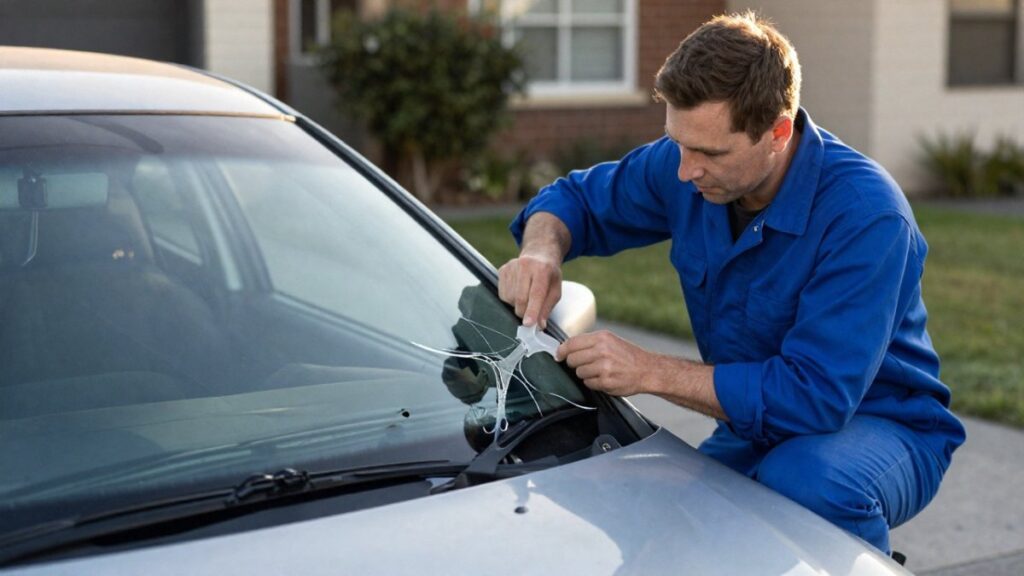
Last Updated: November 21, 2026
Quick Summary
Windscreen chip repair is often worth it on an old car because it costs far less than replacement and keeps the spend proportionate to the vehicle’s value. Repair also avoids the parts hunt and camera recalibration that replacement can involve on newer models.
- AAA guidance treats chips up to roughly 25mm across as generally repairable.
- Cracks longer than 150mm, damage in the driver’s line of sight, or damage within about 50mm of the glass edge point to replacement.
- Compare the replacement quote with the car’s market value and how long you plan to keep it.
- Check whether your policy waives the glass excess for repair before booking a claim.
- A chip left through a hot day or cold snap can turn into a long crack and a full replacement.
Table of Contents
- Why Older Cars Face a Different Repair Decision
- Windscreen Repair vs Replacement: Which One Fits an Older Vehicle
- What Windscreen Chip Repair Cost Looks Like Against Replacement
- Windscreen Chip Repair Time and What the Day Actually Involves
- Windscreen Repair Insurance Cover for Low-Value Cars
- Glass Availability and Safety Systems on Older Models
- A Practical Inspection Checklist Before You Decide
- Book a Mobile Assessment Before the Chip Spreads
- Frequently Asked Questions
Why Older Cars Face a Different Repair Decision
A stone chip on a ten-year-old hatchback is not the same problem as a stone chip on a new car. The repair itself is identical, but the maths around it changes, and that is the part most guides skip. The honest answer is that windscreen chip repair is often worth it on an old car, just not always for the reasons people expect.
What Changes Once a Car Passes Its Tenth Year
Three things shift as a vehicle ages.
The first is value. Once a car is worth a modest sum, a large replacement bill starts to look unreasonable next to what the whole vehicle is worth. Repair keeps the cost small and proportionate.
The second is parts. Glass for discontinued or low-volume models can be scarce, so replacement may mean a wait rather than a same-day job.
The third is safety equipment. Older cars generally carry fewer driver-assist systems mounted to the glass, which makes a straightforward replacement simpler. Newer vehicles often need camera recalibration after new glass goes in.
Windscreen Repair vs Replacement: Which One Fits an Older Vehicle
Windscreen repair vs replacement comes down to damage size, damage position, and whether suitable glass is available. Repair suits small chips and short cracks away from the driver’s line of sight. Replacement suits long cracks, edge damage, or damage sitting directly in the driver’s view.
For an older car, repair usually wins on cost and speed. Replacement wins when the damage is too large to repair safely, or when the existing glass is already badly pitted and sandblasted.
Chip Size and Crack Length Thresholds That Decide Repair Eligibility
As a working rule, AAA’s guidance on windscreen repair versus replacement treats chips up to roughly 25mm across as generally repairable. Cracks longer than a credit card, damage in the driver’s line of sight, or damage within about 50mm of the glass edge usually point to replacement.
| Damage Type | Typical Verdict | Why |
|---|---|---|
| Small stone chip under 25mm | Repair | Resin fills and stabilises it |
| Crack longer than 150mm | Replacement | Structural strength is compromised |
| Damage in driver’s line of sight | Replacement | Repair can leave a visible mark |
| Damage near the glass edge | Replacement | Edge damage spreads quickly |
| Star or bullseye chip | Usually repair | Contained damage responds well |
If you want to see what replacement involves before deciding, our windscreen replacement service sets out the process from start to finish.
What Windscreen Chip Repair Cost Looks Like Against Replacement
Windscreen chip repair cost is consistently a fraction of replacement cost, and that gap matters most on a low-value car. A repair is a small, contained job: clean the break, inject resin, cure, polish. A replacement involves new glass, removal of the old screen, fresh urethane, and often recalibration on newer vehicles.
We quote each job rather than publish a flat rate because the variables move the number significantly:
- Chip count and damage type. One small bullseye is a different job from a star break with multiple legs, and multiple chips add time.
- Glass type. Heated, tinted, acoustic, or rain-sensing glass costs more than a plain screen.
- Vehicle model. Popular models have glass on the shelf; discontinued, imported, or classic vehicles may need specially sourced glass, which adds cost and delay.
- Call-out and location. Confirm whether the quote includes the mobile call-out or adds it separately.
- Recalibration. Newer vehicles with a camera bonded to the glass usually need recalibration after replacement; many older cars do not.
The Older-Car Value Test
A useful part of the decision is the value test. Before authorising a replacement, compare the quoted cost with what the car is actually worth and how long you intend to keep it.
Run three questions:
- What is the car worth? If the replacement cost is a large share of that figure, repair is usually the better economic call.
- How long will you keep it? A repair buys time; a replacement only makes sense if you plan to hold the vehicle long enough to benefit.
- Are other repairs looming? On an older car with several pending jobs, spending heavily on glass may not be the priority.
Watch out: a cheap quote that excludes the call-out, disposal, or recalibration can end up close to a replacement quote once the extras are added, so ask for the all-in figure for both options before deciding.
If you want to see what replacement involves before deciding, our windscreen replacement service sets out the process from start to finish.
Windscreen Chip Repair Time and What the Day Actually Involves
Windscreen chip repair time is short. A single chip is typically a same-day, on-site job measured in minutes rather than hours, while replacement takes longer because the urethane needs time to cure.
Here is how a mobile repair visit runs:
- We inspect the chip under good light and confirm it is repairable.
- The damage is cleaned and any loose glass removed.
- Resin is injected under pressure and worked into the break.
- The resin is cured, then the surface is polished flat.
- You get a clear explanation of the result and any residual mark.
For a fuller walkthrough of the mobile process, read how a mobile windscreen chip repair actually works.
Windscreen Repair Insurance Cover for Low-Value Cars
Insurance cover for windscreen repair varies by policy, and on a low-value car the arithmetic is different from a new vehicle. Check whether your comprehensive policy includes glass cover and what excess applies to repair versus replacement. The key is to compare the excess with the out-of-pocket repair cost, not with the replacement cost.
Run the Out-of-Pocket Numbers
Ask your insurer three questions before you book:
- Is chip repair covered, and is the glass excess waived for repair? Some policies waive the excess for a repair to encourage early intervention.
- What is the excess if a replacement is needed? If the excess is close to or higher than the repair cost, paying out of pocket is simpler and keeps your claim history clean.
- Will claiming affect your premium or no-claim entitlement? A claim on a low-value car can cost more over time than the repair itself.
A common pattern is that the repair excess is waived or low, making a claim sensible; but where the excess is a fixed amount regardless of job size, a small repair is often cheaper to pay directly. On a car worth only a modest sum, a replacement claim can also raise the question of whether the insurer will repair or write the vehicle off, so confirm the policy’s approach before assuming a claim is the cheaper route.
Our frequently asked questions cover common insurance queries.
Glass Availability and Safety Systems on Older Models
Glass availability is the hidden variable in this decision. Popular older models usually have glass on the shelf. Discontinued, imported, or classic vehicles may not, and custom glass can take time and cost more.
Safety systems cut both ways. Older cars generally have simpler glass with no cameras bonded to it, so replacement is straightforward. Newer cars often need a recalibration of the forward-facing camera after new glass is fitted, which adds time and cost.
That difference is a real argument for repairing a chip early on an older vehicle: you avoid the parts hunt and the extra work entirely.
A Practical Inspection Checklist Before You Decide
Run this checklist before you book anything. It takes two minutes and tells you whether you are looking at a repair or a replacement.
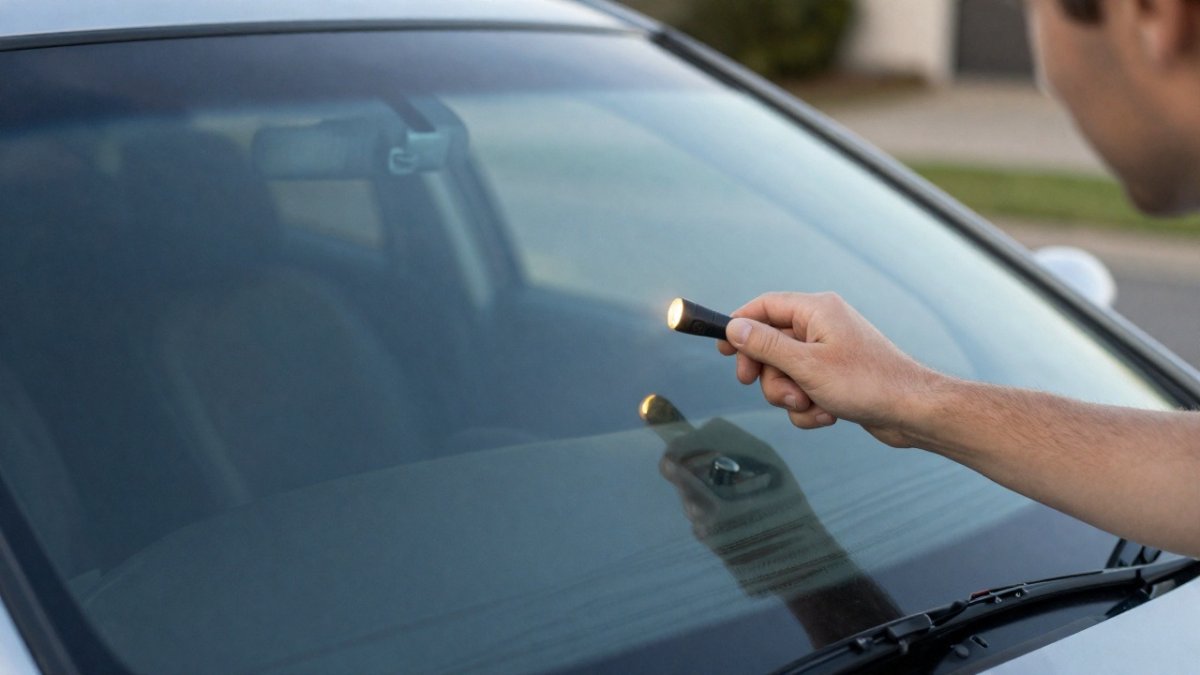
- Measure the chip: under 25mm across usually means repairable
- Measure any crack: longer than 150mm points to replacement
- Check position: damage in the driver’s line of sight usually means replacement
- Check the edge: damage within 50mm of the glass edge usually means replacement
- Look for spreading: a crack that has grown since you spotted it needs urgent attention
- Check for pitting: badly sandblasted glass may not be worth repairing
- Confirm glass availability for your model before choosing replacement
- Get a firm quote for both options before committing
Watch out: a chip left alone through a hot day or a cold snap can turn into a long crack, and a long crack turns a cheap repair into a full replacement.
Book a Mobile Assessment Before the Chip Spreads
The safest move with any chip is to have it looked at while it is still small. Damage that is repairable today may not be repairable after a heatwave, a cold morning, or a bump in the road.
We come to you, assess the chip on the spot, and tell you honestly whether repair or replacement is the right call for your vehicle. Our mobile glass repair and replacement service covers vehicle owners across Melbourne, and you can contact us directly to arrange a time.
Every job is backed by our labour warranty, and you can speak directly with our operators.
A chip on an older car is rarely worth ignoring, and it is usually cheaper to fix than owners expect. If you are weighing up repair against replacement, get a professional opinion before the damage grows.
Frequently Asked Questions
Is it worth repairing a windscreen chip on an old car?
It often is, provided the chip is small and outside the driver’s line of sight. A windscreen chip repair costs far less than replacement and keeps the original glass, which matters when replacement glass for an older model is hard to source. The decision turns on three things: chip size, damage location and whether replacement glass is still available for your vehicle. If the chip is larger than about 25mm, sits directly in the driver’s view, or the glass is already cracked, replacement becomes the more sensible option.
When is a windscreen chip too large to repair?
Size is the first filter. Small stone chips are generally repairable, while damage beyond roughly 25mm across, or a crack that has started running, usually falls outside repair eligibility. Location matters just as much. Damage in the driver’s line of sight can compromise visibility even after a clean repair, so replacement is often recommended there. Temperature changes and vibration cause cracks to spread, so a chip that has been left for weeks is more likely to have grown past the repairable stage by the time it is assessed.
Can a repaired windscreen chip still be visible?
Yes, and it is worth setting expectations before booking. A windscreen chip repair fills the damage with resin and restores structural integrity, but it rarely makes the mark disappear completely. Most drivers notice a faint residual mark at certain angles or in low sunlight. On an older car with original glass, that small cosmetic trace is usually an acceptable trade against the cost and hassle of replacement, but if a flawless finish matters to you, ask about likely appearance before the work starts.
Will insurance cover windscreen chip repair on an older car?
Many comprehensive policies include windscreen repair insurance cover, and some waive the excess for repair rather than replacement because it costs the insurer less. Check your policy first: cover levels vary, and older vehicles on third-party policies usually have no glass benefit at all. If you are paying out of pocket, compare the repair quote against your insurance excess. For a low-value car, a modest repair bill is often cheaper than claiming and risking a premium change at renewal.

