
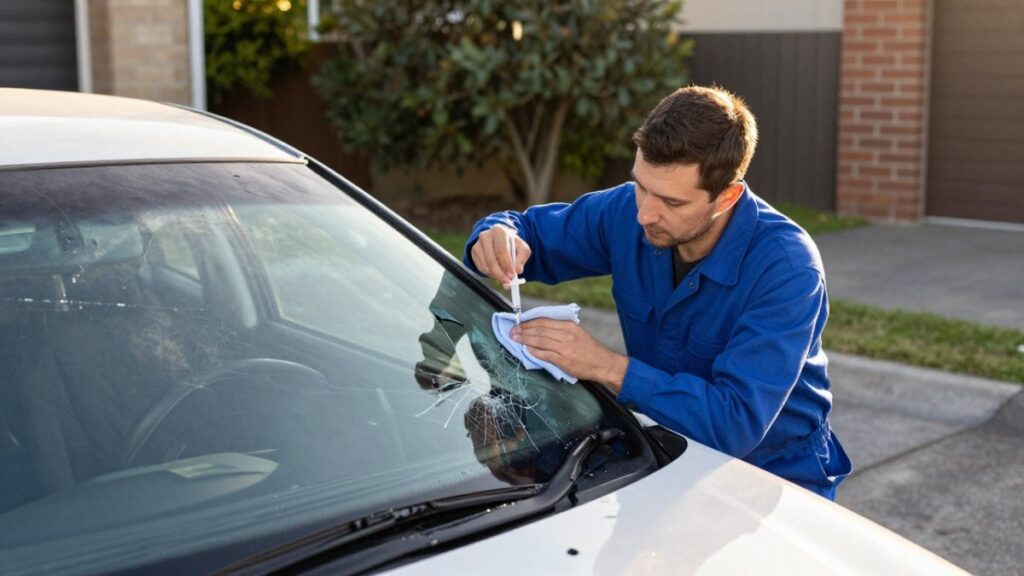
Last Updated: November 21, 2026
Quick Summary
Comprehensive car insurance normally covers windscreen cracks, chips and full glass damage, while third-party property damage and third-party fire and theft policies usually exclude damage to your own vehicle’s glass. Check your policy wording or call your insurer, because glass cover and excess arrangements differ between insurers.
- Chip repair is often excess-free or carries a reduced glass excess on many comprehensive policies.
- A chip smaller than a five-cent coin is usually repairable, while a crack longer than a bank card usually needs replacement.
- Damage over a sensor or camera means replacement, and the camera may need recalibration.
- Photograph the damage and get your claim reference number before booking any repair work.
- A crack in your line of sight can be treated as unroadworthy under Australian road rules.
Table of Contents
- Does Car Insurance Cover Windscreen Cracks?
- Does Comprehensive Car Insurance Cover Windscreen Damage?
- Windscreen Excess: What You Pay Before a Claim
- Windscreen Repair or Replacement: How the Decision Is Made
- How to Claim for a Cracked Windscreen
- Can You Drive With a Cracked Windscreen?
- When to Call for a Same-Day Windscreen Assessment
- Frequently Asked Questions
Does Car Insurance Cover Windscreen Cracks?
Whether car insurance covers windscreen cracks depends on your policy type. Comprehensive cover often pays for glass damage, while third-party policies generally do not. The answer almost always starts with one word: check your cover.
A cracked windscreen is rarely just a cosmetic problem. The glass is part of your car’s structure. It supports the roof in a rollover and anchors the airbags.
Below, this guide explains which policies include glass cover, what excess you might pay, and how to claim.
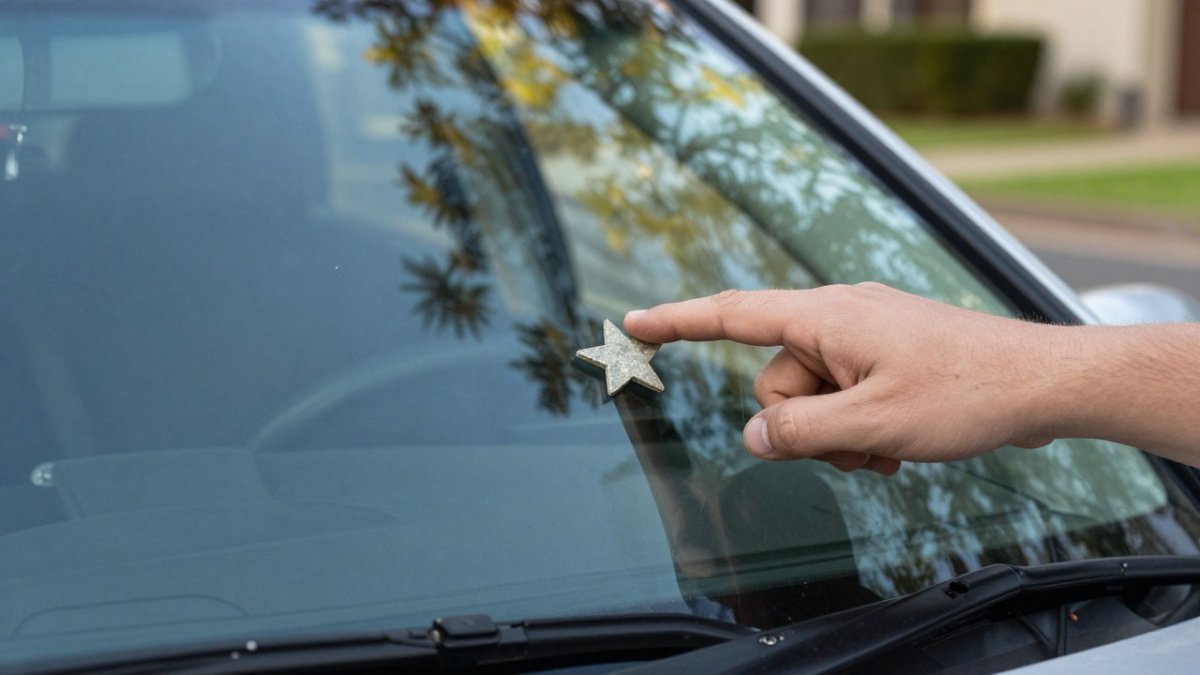
Which Policy Types Include Glass Cover
Third-party property damage and third-party fire and theft policies usually exclude damage to your own vehicle’s glass. If you hit a pothole and your windscreen cracks, those policies won’t help.
Comprehensive car insurance is the policy that normally covers windscreen cracks, chips and full glass damage. That cover can include:
- Windscreen repair or replacement
- Side window and rear window glass
- Sunroof glass in many policies
- Damage from stones, hail, vandalism or accidents
Some insurers treat glass as part of the main policy. Others offer optional windscreen cover you add on top. Always read the product disclosure statement, because the wording differs between insurers.
Does Comprehensive Car Insurance Cover Windscreen Damage?
Most comprehensive car insurance policies cover windscreen damage, but the details matter. A stone flicked up by a truck on the freeway is usually treated as accidental damage, which is exactly what comprehensive cover is built for.
Two things decide what you pay. The first is your excess. The second is whether your insurer offers a reduced glass excess for repairs rather than replacements.
Many insurers also let you choose your repairer, so you are not necessarily locked into a network shop across town.
Watch out: some policies exclude glass damage caused by neglect, such as driving for months on a crack that was already spreading. If you report damage early, you keep your options open.
Windscreen Excess: What You Pay Before a Claim
Windscreen excess is the amount you pay towards a glass claim before your insurer covers the rest. On many comprehensive policies it is separate from your standard accident excess, and the amount can differ depending on whether the glass is repaired or replaced.
Here is how the common arrangements usually work:
| Claim type | Typical excess arrangement | What it means for you |
|---|---|---|
| Chip repair | Often excess-free or a reduced glass excess | Small chips are cheap to fix, so many insurers waive the excess to encourage repair |
| Windscreen replacement | Standard or reduced glass excess | You pay the agreed amount, insurer covers the balance |
| Glass claim limit | Some policies cap the annual payout per claim or per year | Check the claim limit before booking, because a cap can leave you paying the difference |
| Side or rear window | Usually standard excess | Treated like other accidental damage unless the policy says otherwise |
Excess amounts vary by insurer, policy level and the repairer you use. Check your policy wording or call your insurer before you book any work, so there are no surprises.
How the Excess Is Calculated and When It Is Waived
Insurers set the glass excess in the product disclosure statement. It might be a fixed dollar amount, a percentage of the sum insured, or a reduced figure that applies only to glass claims.
A common pattern is that the excess is waived for repairs up to a certain size, then a reduced glass excess applies for a full windscreen replacement.
Watch out: authorising a repairer before your insurer confirms the excess can leave you liable for the full invoice if the claim is later declined or the excess is higher than you expected.
Excess, No-Claim Bonuses and Premiums
A glass claim can affect your no-claim bonus or claims history, depending on the insurer. Some insurers treat windscreen repairs as a non-claimable event that does not affect your rating, while others record it as a claim even when the excess is waived. Before you lodge, ask whether the claim will be recorded and how it may affect your next renewal premium. That single question can save you money over several years.
If you are weighing up chip repair, our guide on how mobile windscreen chip repair works explains the process from booking to finish. For quick answers on excess and what you pay, the frequently asked questions page covers the common scenarios.
Windscreen Repair or Replacement: How the Decision Is Made
The repair-or-replace call comes down to three things: the size of the damage, its position, and whether it has spread into the driver’s line of sight.
A simple rule of thumb:
- Chip smaller than a five-cent coin: usually repairable
- Crack longer than a bank card: usually needs replacement
- Damage in the driver’s direct view: replacement is safer
- Crack running to the edge of the glass: replacement, because the structure is compromised
- Damage over a sensor or camera: replacement, and the camera may need recalibration
Repair fills the chip with resin and stops it spreading. Replacement means new glass, fresh seals and, on modern cars, a recalibration of the driver-assist camera behind the windscreen.
That calibration point is the one most drivers miss. Newer vehicles use the windscreen camera for lane keeping and automatic braking.
Side Windows, Rear Windows and Sunroofs
Glass cover is not limited to the front windscreen. Side windows, rear windows and sunroofs are usually included under comprehensive cover, though the excess and claim limits can differ.
Side and rear glass is often tempered, so it shatters into small pieces rather than cracking. That usually makes it a replacement job, not a repair.
If you need the full replacement service, you can book expert windscreen replacement and have it handled on site.
How to Claim for a Cracked Windscreen
The claim process is simpler than most people expect. You report the damage, your insurer approves the work, and a repairer completes it. The trick is having your details ready before you call.
A Step-by-Step Claim Checklist
- Photograph the damage from a few angles, plus a wide shot of the car
- Note the date, time and location where the damage happened
- Find your policy number and insurer contact details
- Check your policy wording for glass cover and excess
- Call your insurer or claim online and describe the damage
- Confirm whether you can choose your own repairer
- Get the claim reference number before booking
- Book the repair or replacement and keep the invoice
Most insurers let you claim online or over the phone. If you would rather talk it through, you can contact us directly.
One insider tip: tell your insurer the damage is a chip if it still is one. Repair approval is usually faster and often excess-free.
Can You Drive With a Cracked Windscreen?
You can often drive with a small chip, but a crack that blocks your view is a different story. Road rules in Australia require drivers to have a clear view of the road, and a crack in the driver’s line of sight can be treated as unroadworthy. The exact wording sits in each state’s road rules and vehicle standards, so check your local transport authority’s guidance if you are unsure.
Use this decision tree as a guide:
- Small chip outside your view: usually fine to drive, book a repair soon
- Crack in your line of sight: get it assessed before driving further
- Crack spreading or reaching the edge: stop driving and arrange a replacement
- Shattered side or rear window: cover it and drive only if it is safe
Heat, sunlight and rough roads make cracks spread. A chip that looks harmless on Monday can be a full crack by Friday. If you are unsure, get an assessment rather than guessing.
Visibility, Roadworthiness and Police Checks
A cracked windscreen can attract police attention if it obstructs your view or is judged unroadworthy. Check with your state or territory transport authority for the rules that apply to you.
Watch out: driving with a crack that spreads into your line of sight can also affect an insurance claim if the insurer decides the damage was worsened by delay.
A Practical Checklist Before You Drive
- Check whether the damage is in your direct view or peripheral vision
- Look for cracks reaching the edge or spreading since you first noticed them
- Test your wipers and demister to confirm the glass is clear in rain
- Photograph the damage before you drive, in case it worsens
- Call your insurer or a repairer for a same-day assessment if in doubt
If the damage is in your line of sight, spreading, or you cannot see clearly, arrange a repair or replacement before driving further. Safety and roadworthiness come before convenience.
When to Call for a Same-Day Windscreen Assessment
Call for a same-day assessment when the damage is in your line of sight, when a crack is spreading, or when you need the car back on the road today. Waiting rarely makes glass damage cheaper.
At Mobile Auto Glass Melbourne, we offer same-day mobile service across Melbourne and surrounding regions. Our team handles windscreens, side windows, rear glass, sunroofs and quarter glass.
You deal directly with our operators.
A cracked windscreen will not fix itself, and every hot day gives it another chance to spread. If your glass is damaged, get it looked at before it turns a small repair into a full replacement.
Frequently Asked Questions
Does comprehensive car insurance cover windscreen cracks?
In most cases, yes. Comprehensive car insurance typically includes accidental damage to glass, so a crack caused by a stone or road debris can be claimed. Check your policy wording or product disclosure statement, because some insurers require optional windscreen cover for glass claims. If you only hold third party property or compulsory third party cover, damage to your own windscreen is generally not covered, so you would pay the repair or replacement cost yourself.
Will I have to pay a windscreen excess for a repair or replacement?
Often yes, but the amount depends on your policy. Many insurers charge a standard excess on glass claims, while some offer a lower windscreen excess or waive it entirely for chip repairs. A common arrangement is an excess-free repair when a chip can be fixed rather than replaced, and a reduced glass excess for a full replacement. Confirm the exact figure with your insurer before booking, so you know your out-of-pocket cost.
Can I choose my own windscreen repairer when making a claim?
Choice of repairer varies by insurer. Some allow you to use any licensed repairer, while others have a preferred network and may apply a different excess or limit if you go elsewhere. Ask about choice of repairer when you lodge the claim. Using a mobile service that comes to your home or workplace can save time, but confirm the arrangement with your insurer first so the claim is processed without dispute.
Is it worth claiming on insurance for a cracked windscreen?
It depends on the repair cost versus your excess. If a chip repair costs less than your windscreen excess, paying privately often makes more sense and keeps your claim history clean. A full replacement usually costs more than the excess, so claiming can be worthwhile, especially with a reduced glass excess. Consider how a claim may affect your no-claim discount before deciding, and ask your insurer for a quote comparison.

